By cultivating a cultural interest in fewer better things we can reduce our twin propensities towards overconsumption and waste.
Glenn Adamson
The Making of Comales: Clay, Culture, and the Lessons of Nature
In the yard, large ceramic dishes rested in the sun, the contrast of wet and dry clay telling the story of their maker’s hands at the wheel.
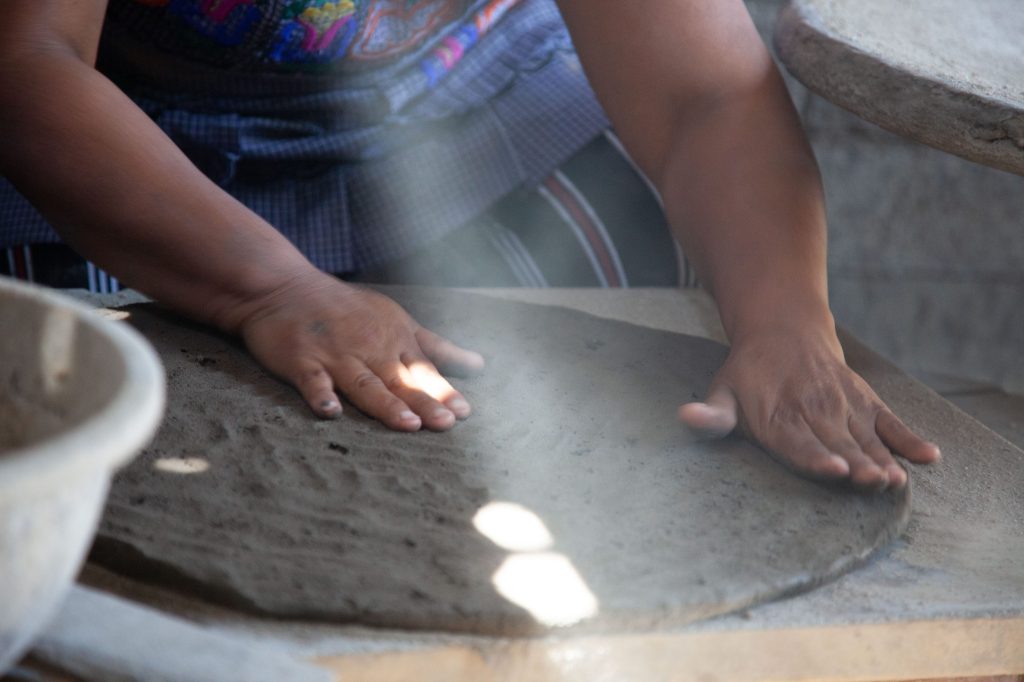
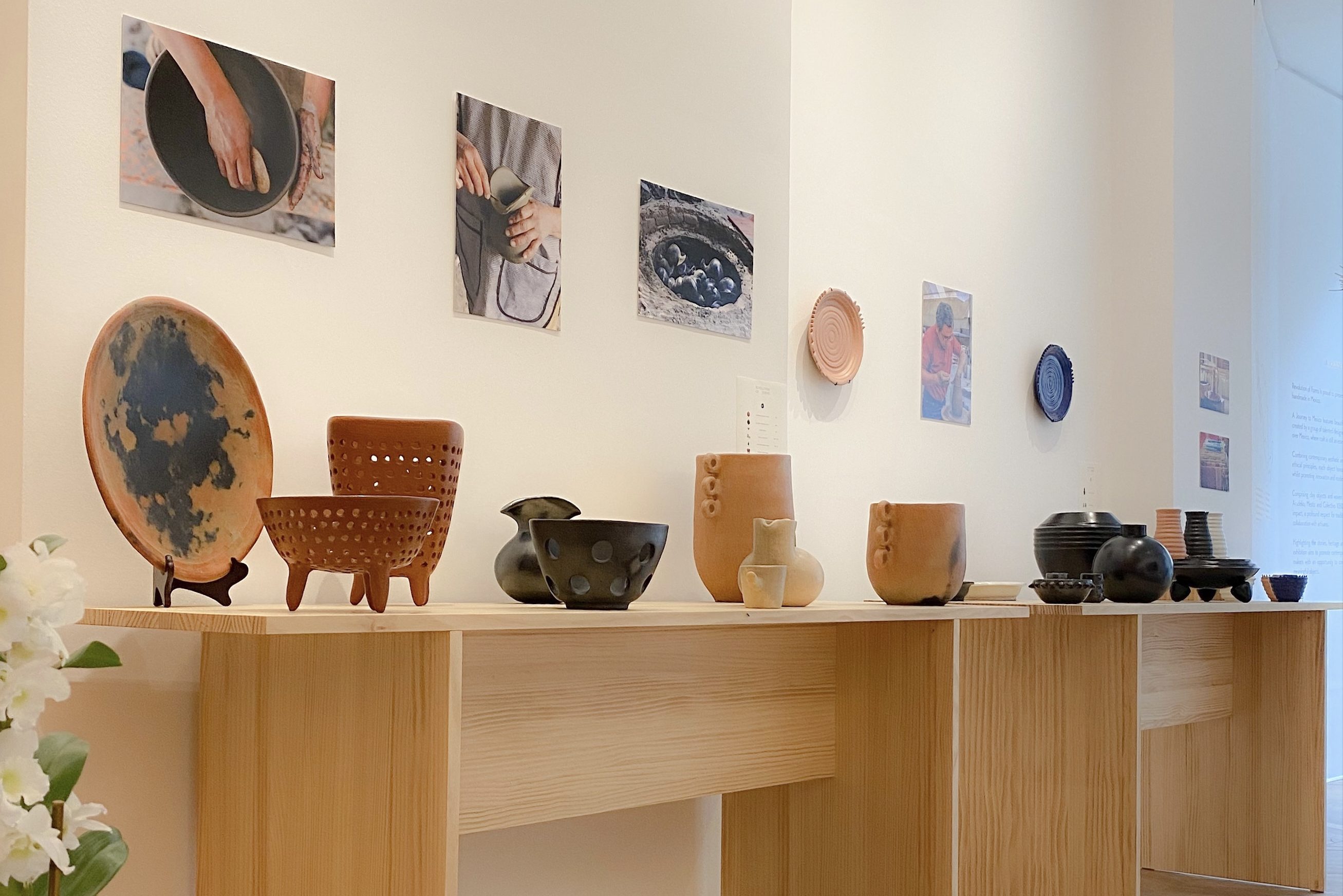
Comales are traditional large dishes used in Mexico to cook tortillas, a particularly important staple of Mexican cuisine. The objects are handmade using the same techniques passed down through generations. After the initial phase of slowly drying in the sun, Comales are fired in open pits, giving the food cooked on their surfaces a unique smoky flavour.
Before visiting the village of Atzompa, where I witnessed how these earthy pieces of ceramic are made by Francisca, one of the makers of Cooperative 1050º, I always thought of pottery as a precise practice where conditions are strictly controlled.
I considered a skilled potter akin to an alchemist, an expert on how materials behave differently according to the chemical composition, mastering different techniques to obtain a vast array of surface finishes and shapes, using a kiln and a potter’s wheel.
This was the lens through which I viewed ceramics during my time as a design specialist at Christie’s. I had the privilege to handle some great pieces: studio pottery by Lucie Rie and Hans Cooper, monumental pieces by Gio Ponti for Richard Ginori and probably my favourite, some rare pieces by Ettore Sottsass.
Not once did I stop to think about where they sourced their clay. My focus was entirely elsewhere: on the artistic and cultural value of each piece, on researching techniques, on appraising market values. For the architects’ works, I considered the importance of ceramics within the broader context of their body of work.
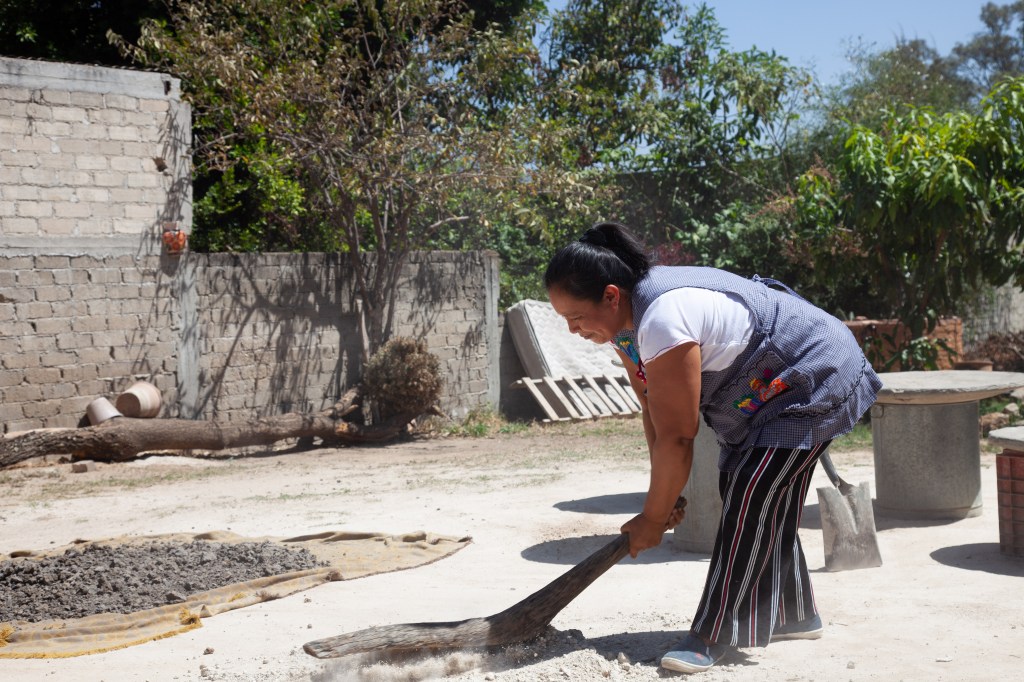
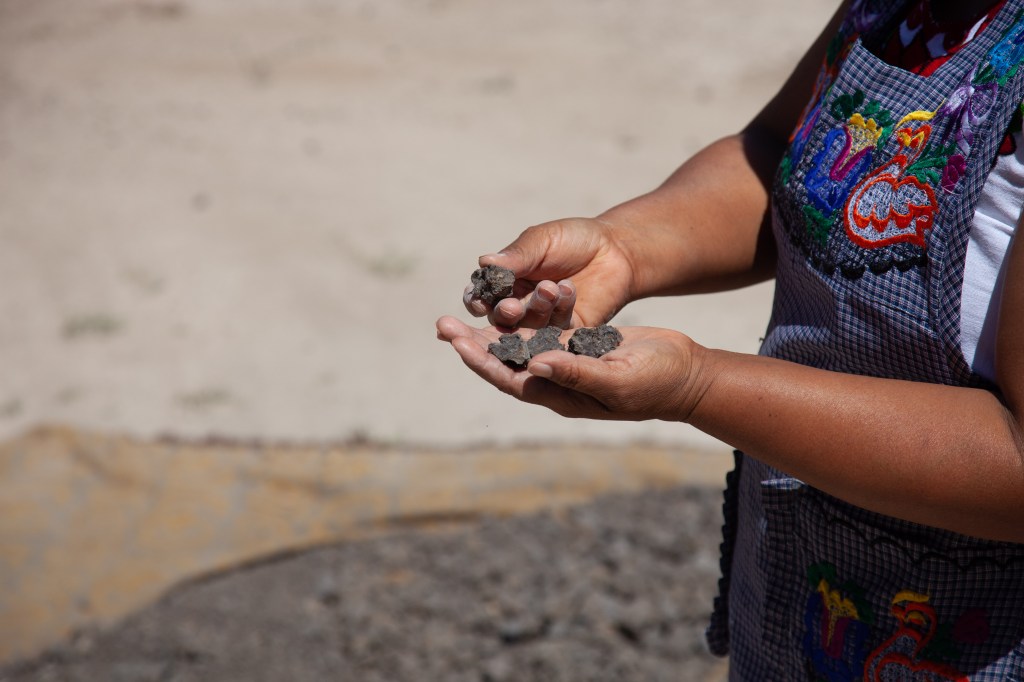
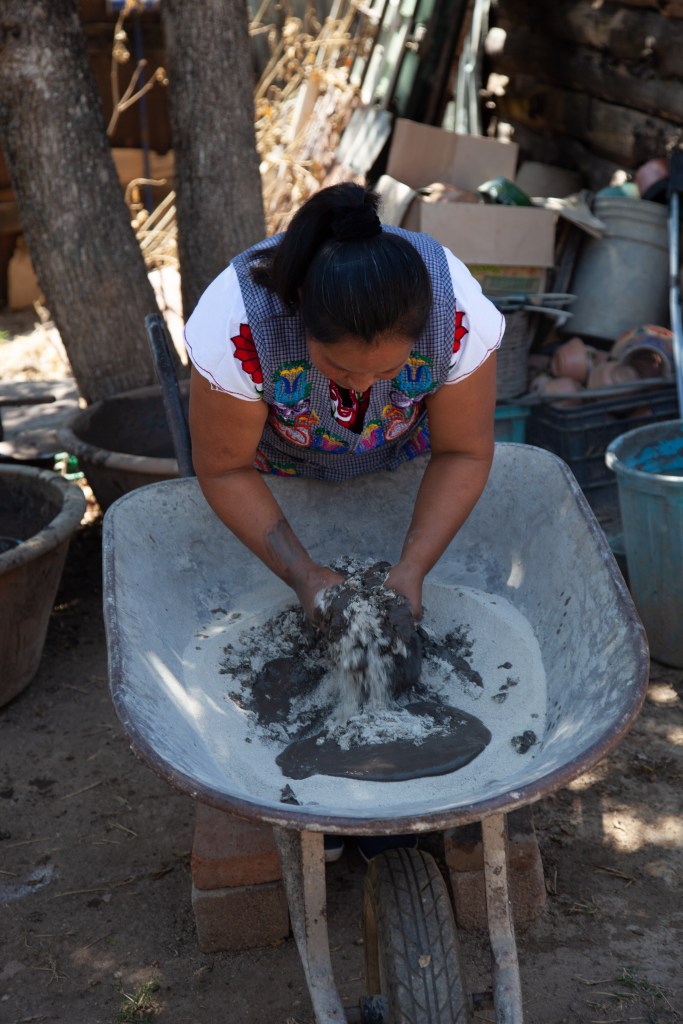
In Oaxaca, I witnessed the complete process of pottery making for the first time: clay being made from dirt, refined, mixed with water, kneaded, and worked by hand repeatedly until the large dish took form.
What struck me most was Francisca’s intimate knowledge of her environment. When placing a dish in the yard to dry, she knew exactly how long it would take. That day, despite the intense sun and cloudless blue sky, she was certain rain would come. She could sense it in the air’s smell and humidity, subtle signals I completely missed. And indeed, the rain came.
This mastery of reading nature’s signs made me reflect on my life in London, where I feel deeply disconnected from my environment. Even after twenty years, I still rely on multiple weather apps, I never developed an understanding of the weather patterns that Francisca possesses.
When I asked Kitzia, one of the founders of Cooperative 1050º, what craft can teach us about our relationship with the environment, her response revealed a deeper wisdom than I expected:
‘The tradition of clay-making is deeply rooted in a culture of peace’ she explained. ‘Without inner peace and harmony with the environment, one cannot truly create with clay. This practice involves a complex web of relationships—cultural, territorial, and elemental.’
She elaborated on how potters’ survival depends on an intimate understanding of their environment: ‘They must understand the land, the soil, the sun, fire, and wind because their livelihood depends on it. Knowledge of when and where to dig for clay, the timing of rainfall, and how the sun and humidity affect production are all critical.’
‘A deep understanding of nature’s cycles informs both the process and the potter’s success, ‘she continued. ‘This knowledge, gained through close observation of the environment, offers valuable lessons not only in sustainability but also in understanding the problems we are creating.’
Through my years working with Mexican pottery with Revolution of Forms, I’ve witnessed an approach to craft fundamentally different from our western perspective. Their understanding of clay, embodied in pieces like Comales, demonstrates how craft naturally aligns with sustainability. As much as I was in awe of the making process and Francisca’s skills, the most important lesson was seeing her intimate connection with the natural world around her.
This experience taught me to pause and question the objects I bring into my life – to consider their provenance, their materials, their lifecycle, and the conditions under which they were crafted.
InBraiding Sweetgrass, Robin Wall Kimmerer writes about indigenous wisdom and scientific knowledge, citing many examples of how our scientific, technological and economical development ultimately created a disconnect between humans and the natural world.
She wonders if western respect for nature began to fade when ‘we could no longer see the life within objects’ a shift that led us to view the planet’s finite resources as ours to exploit.
Yet, in craft traditions like those of the Mexican potters, we might find a way back to this vital connection.
Craft as a Bridge to Sustainability
Through my research for an MSc in Psychology and my experience running a curatorial platform focused on contemporary craft, I’ve explored how handmade objects can serve as vessels to reconnect us – with nature, with each other, and with our authentic selves.
The connection between crafted objects and nature might seem obvious, even self-evident. After all, a piece of carved wood or woven textile is inherently rooted in natural materials and traditional, often nature-inspired processes. Unlike mass-produced objects, craft maintains a direct relationship with raw materials – clay, wool, wood, plant-based dyes – each carrying the signature of its earthbound origins.
This connection manifests in multiple ways. The tactile qualities of crafted objects ground us in the physical world, evoking sensory experiences that link us directly to nature. Craft practices themselves follow natural rhythms, from the seasonal harvest of fibers and clays to the use of locally sourced materials. This synchronization with nature’s cycles fosters environmental awareness and encourages mindful consumption, as each object carries within it the essence of its native landscape and ecosystem.
While these connections might seem self-evident, their importance cannot be overstated.
Yet a crucial question remains: while makers can clearly benefit from this intimate connection with nature through their materials and practices, what about the buyers and collectors? Does this natural connection transfer through the objects themselves?
This question is particularly significant because while not everyone can be a maker, everyone is a consumer. Understanding how craft consumption might influence environmental awareness could offer insights into fostering more sustainable consumer behaviour – a challenge that research shows many consumers struggle with, despite their stated intentions to make environmentally conscious choices.
My research has examined craft consumption specifically within the broader context of sustainability and consumer wellbeing research. Drawing from consumer behaviour studies that highlight the gap between environmental intentions and actual purchasing decisions, I wanted to explore if craft could serve as a bridge – could buying craft foster a deeper understanding of sustainability?
Craft, which Richard Sennett describes as ‘the enduring, basic human impulse to do a job well for its own sake,’ is an untapped area of research both within consumer behaviour and sustainable consumption research.
The first obstacle in this investigation was defining sustainability itself. Despite its widespread use in discussions of environmental responsibility and conscious consumption, the term lacks academic consensus on its precise meaning and application.
In addition, ‘sustainability’ has become just another marketing term. Between companies’ misleading environmental claims and the constant flood of ‘eco-friendly’ products, we find ourselves increasingly confused about how to match our environmental values with our shopping habits.
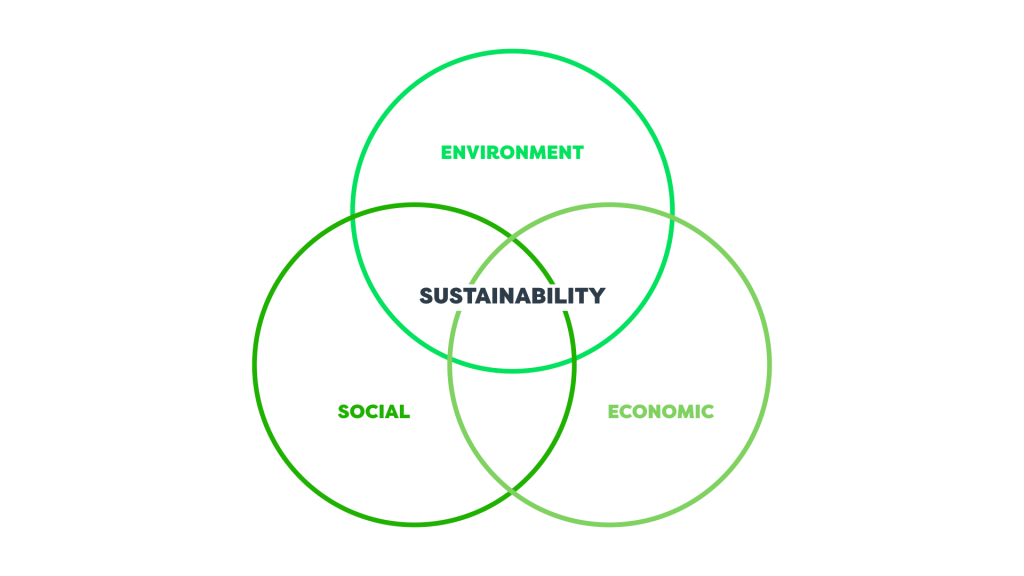
Initially, the widely accepted definition came from the 1987 Brundtland Report, which described sustainable development as ‘development that meets the needs of the present without compromising the ability of future generations to meet their own needs.’ In the 1990s, this definition expanded to encompass three key pillars.
Environmental sustainability: protecting ecosystems, minimising waste, and addressing climate change
Social sustainability: promoting equity, human rights, and fair labor practices
Economic sustainability: developing business models that prioritise long-term value over short-term gains
Unlike mass-produced goods, craft objects often provide a clearer connection to sustainability principles. When practiced responsibly, craft can demonstrate how production might better serve environmental and social goals – through local material sourcing, waste reduction, community support, and economic resilience.
While craft isn’t a universal solution to our sustainability challenge and not all crafted objects and practices are truly sustainable, it offers important insights about more mindful ways of making and consuming.
However, applying these insights in our modern world presents its own challenges. In an age where we face an overwhelming cascade of choices and misleading environmental claims can cloud our judgment, the challenge isn’t just understanding sustainability, it’s putting it into practice.
Reclaiming Our Agency as Consumers
Try this: look around your home and find objects that are handmade. Sit with them for a moment, considering their process, materials, and what they mean to you. It might be a favorite tea mug, a cooking tool, a vase, or a candleholder. When I did this exercise, sitting in my living room, I noticed not only the handcrafted vases, the treasures I brought back from travels, the gifts from dear friends, but also the other objects that surround them. The beautifully designed speakers, the projector that eliminated our need for a television, and yes, a very plastic-looking PlayStation that brings entertainment to our home.
These objects, while not handmade and bearing supply chains and material complexities I couldn’t begin to unravel, were chosen with intention, each serving a clear purpose in our lives.
In our modern world, we face an unprecedented complexity of choices, with algorithms increasingly curating our preferences and shaping our decisions. This digital intermediation, combined with mass production and aggressive marketing, has distanced us not just from the objects we own, but from the very act of choosing them. The challenge isn’t about exclusively buying handmade items – it’s about reclaiming our agency as conscious consumers
This isn’t about dictating what people should or shouldn’t buy, or suggesting that everyone should only purchase expensive handcrafted items. Rather, it’s about being present in our decisions – taking a moment to question whether we truly want an object or if we’re just responding to algorithmic suggestions that will lead to another forgotten purchase in a drawer. When we understand what we bring into our lives, whether it’s a handmade bowl or a piece of technology, we make choices that better serve both ourselves and our planet.
In one of my favourite books about objects, Fewer, Better Things, Glenn Adamson writes:
‘Having an overabundance of things is sadly out of keeping with our real human needs. Most things today are not worth the precious resources of material, effort and space we have devoted to them.’
Not everything should be convenient, or delivered the next day or the next hour. The irony is that the objects we consider most disposable – the ones designed and marketed for easy replacement, often carry the heaviest environmental burden. These items, manufactured through wasteful and polluting processes, shipped across globalised supply chains, end up in landfills or are exported as waste to developing countries. What we treat as disposable isn’t truly disposable at all.
This is why understanding provenance matters, not just for craft objects, but for everything we bring into our lives. When we assess objects for what they truly are, their materials, their journey, their real cost to the planet, we begin to make different choices. Every object represents a potential connection or disconnection with our values and our world.
This isn’t about achieving perfect consumption habits, that’s neither realistic nor healthy. In my own life, I make conscious choices about fashion, knowing it’s one of the most polluting industries, and I’m thoughtful about food choices. But when I need batteries or tools and materials for a DIY project, I’m likely to order them on Amazon like everyone else. The point isn’t to agonize over every purchase or to adopt an unrealistic minimalist lifestyle. Instead, it’s about being more present in our decisions when it matters most, understanding that small shifts in how we choose can make a meaningful difference.
Craft offers us a pathway back to intentional choices and meaningful connections with our material world. When we engage with crafted objects, whether as makers or consumers, we practice a form of resistance against passive consumption. We assert our ability to choose thoughtfully, to value process over convenience, and to recognize the broader implications of our choices, for our communities, our environment, and ourselves.
In my next article in this series about Craft, I will explore in more detail the relationship between craft and wellbeing because reclaiming our agency as consumers isn’t just about protecting the planet, it’s about nurturing our own wellbeing through more intentional and meaningful relationships with the objects that surround us.
¹ Adamson, G. (2021). Fewer, Better Things: The Hidden Wisdom of Objects. Bloomsbury.
² Sennett, R. (2008). The Craftsman. Yale University Press.
³ World Commission on Environment and Development (1987). Our Common Future (The Brundtland Report).
⁴ Kimmerer, R. W. (2013). Braiding Sweetgrass: Indigenous Wisdom, Scientific Knowledge, and the Teachings of Plants. Milkweed Editions.
⁵ Cooperative 1050° is a non-profit organization working with Mexican artisans to preserve traditional pottery techniques while creating sustainable livelihoods.
Raffaella Goffredi is a multidisciplinary creative professional with over 20 years of experience in the art and design industry. After founding the innovative online shop Revolution of Forms, which championed responsibly sourced homeware with contemporary aesthetics, Raffaella has transitioned into consulting.
Her diverse background spans roles at renowned institutions like Christie’s, where she served as a Specialist and Head of Sale, curating design auctions and managing client relationships. Raffaella’s expertise lies in twentieth-century and contemporary design, crafts, business development and psychology honed through her academic pursuits, including an MSc in Psychology from the University of East London and an MA in Art Criticism and Management from City University.
Raffaella’s accomplishments include curating successful exhibitions during London Craft Week, establishing strategic collaborations with brands like Kew Gardens and Dobel Tequila, and generating income for artisans through responsible sourcing practices. Her work has been recognized in publications such as the Financial Times, Elle Decoration, and Design Anthology.
With a keen passion for object-based research, interpretation, and public speaking, Raffaella brings a unique blend of creative expertise, business acumen, and psychological insights to her consultancy. Her proficiency in communication, planning, problem-solving, and technology enables her to deliver innovative solutions to clients across the creative industries.
Discover more from Revolution of Forms
Subscribe to our Newsletter for exclusive insights on design, craftsmanship, and sustainability, delivered straight to your inbox


 Revolution of Forms